Tamper-Evident Packaging - What Problem Is It Meant to Solve?
In modern pharmacy practice, the intersection of technology and regulation continuously shapes how medicines reach the patient safely and efficiently. Among various safeguards, tamper-evident packaging stands out as a crucial yet often misunderstood component. But what exact problem is this packaging designed to solve? And how does it fit within the evolving pharmacy ecosystem—especially as traditional paper prescriptions give way to electronic transmission and dispensing workflows become increasingly integrated with robotic and barcode-enabled systems?
The Shift: From Paper to Electronic Prescriptions
Nearly every UK pharmacy is aware of the significant transition from paper-based prescriptions to electronic prescriptions. This shift brings:
- Reduction in transcription errors
- Improved tracking of prescriptions from GP to pharmacy
- Better demand forecasting
However, even with these improvements, ensuring that medicines remain safe medicine shortages uk from tampering or substitution between the pharmacy and the patient remains a critical concern.
Why Tamper-Evident Packaging Remains Critical in E-Prescribing
Unlike traditional paper scripts, electronic prescriptions do not require a physical document exchange at the point of delivery. Instead, the medication is dispensed and then handed over either at the counter or via delivery services. During this handover, packaging that clearly signals any tampering acts as a vital patient safety check.
It’s worth asking: What regulatory requirement is this step satisfying? The key reference here is the EU Falsified Medicines Directive (FMD), implemented in the UK to prevent falsified medicines from entering the supply chain. Tamper-evident features on packaging help ensure integrity post-dispensation.
Understanding the Core Problem: Falsified Medicines and Patient Safety
Falsified medicines—products that are intentionally and fraudulently mislabelled—pose a direct threat to patient safety. They may contain incorrect ingredients, no active ingredients, or harmful substances. Tamper-evident packaging is a frontline defence against such risks.
How Tamper-Evident Packaging Mitigates Risk
- Visible evidence of interference: Seals, breakable caps, special tapes or shrink wraps signal if packaging has been opened or altered.
- Traceability: Combined with barcode and serialization technology, the packaging can be matched to electronic prescription records.
- Patient confidence: Patients can trust that the sealed package they receive has not been compromised.
In essence, tamper-evident packaging forms a tangible, physical layer of protection complementing the digital safeguards offered by electronic prescription systems.

How Dispensing Workflow Integration Enhances the Tamper-Evident Packaging Process
Pharmacies are rapidly adopting integrated dispensing workflows powered by robotics, barcode scanning, and real-time electronic updates. These systems help manage increasing prescription volumes while maintaining safety and compliance.
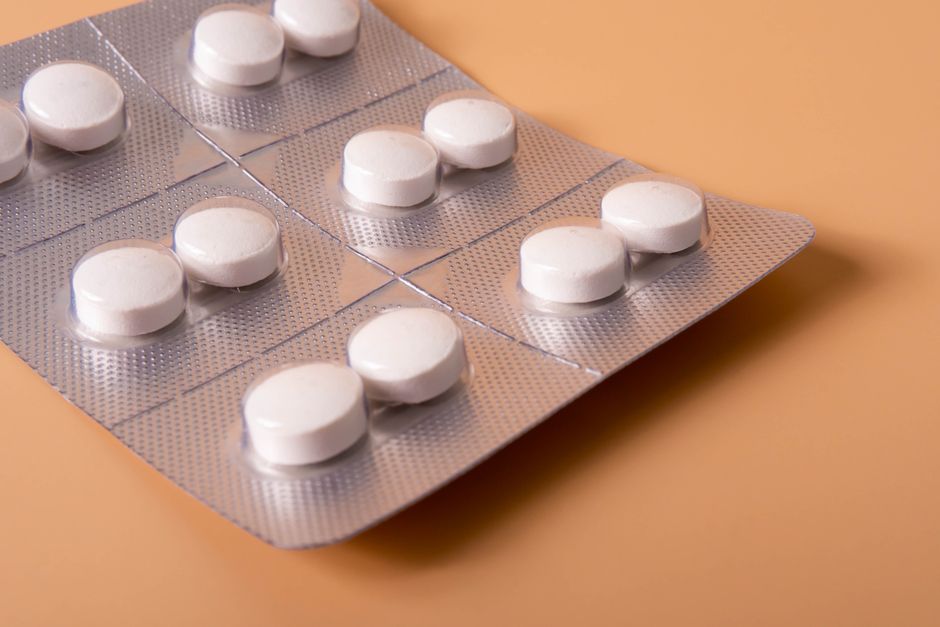
Key Points in Workflow Where Tamper Evidence Is Checked or Generated
- Robotic Dispensing: Automated systems prepare and label medicines, often applying tamper-evident seals as part of final packaging.
- Barcode Traceability: Each dispensed item’s barcode confirms the product identity and links it to the patient’s electronic prescription record, allowing ongoing verification.
- Final Patient Safety Check: Pharmacists verify package seals before handing over, ensuring no breach has occurred since dispensary packaging.
This integration is not merely about logistics; it’s intrinsically tied to regulatory compliance. For example:
- MHRA mandates stringent controls on medicine packaging and safety features.
- GPhC requires pharmacists to carry out adequate patient safety checks before dispensing.
Nomination and Forecasting: The Bigger Picture
Electronic prescription systems allow patients to nominate a preferred pharmacy, which can improve medication adherence and safety by centralising dispensing records.
Accurate data https://smoothdecorator.com/how-do-pharmacies-forecast-stock-now-that-prescriptions-are-electronic/ on medication demand helps pharmacies forecast supplies better, reducing pressure to expedite dispensing steps that may overlook packaging integrity.
This reduces 'one extra scan' friction when checking tamper evidence because automation and forecasting streamline stock management.
Repeat Dispensing Scheduling and Tamper-Evident Packaging
Repeat dispensing programmes enable patients to receive regular medication supplies without returning to the GP each time. Tamper-evident packaging plays a key role here:
- Each package for repeats has individual tamper-proof seals to ensure safety, even when stored for weeks.
- Integrated workflows schedule and track these repeat packages electronically.
- Patients get reassurance on continued safety, supporting adherence and confidence.
Conclusion: Tamper-Evident Packaging Is Not Just ‘Logistics’—It’s Regulatory and Safety-Critical
Summing up, tamper-evident packaging is more than a customer convenience or a retail-style branding exercise. Its principal purpose is to combat the risk of falsified medicines and to provide a clear, reliable mechanism to detect interference, ensuring patient safety.
With the ongoing transition to electronic transmission of prescriptions and highly automated dispensing workflows, tamper-evident packaging integrates with digital safeguards like barcode traceability and repeat dispensing schedules. This synergy delivers both compliance with MHRA and GPhC requirements and confidence that what reaches the patient is authentic and safe.
Next time you consider a tamper-evident package, ask: Which regulatory verification points does this satisfy? How does this packaging step connect to the dispensing software's workflow and electronic traces? Only by connecting these dots can pharmacy systems truly protect patients in an increasingly digital healthcare environment.